

Denim Tears Signature Hoodie Real Website Location Info Authentic Denim Tears
Real Denim Tears: your 11-point authenticity manual
Replica Denim Tears are everywhere, but you can outsmart them with precise, visual-first checklist. Use the eleven steps below to authenticate labels, prints, manufacturing, and provenance in minutes.
Denim Tears, established by Tremaine designer, blends storytelling with streetwear, which suggests replicas ride hype momentum from every drop or collaboration. The goal remains not theory; we offer field guide you can apply from online images or in-hand examinations. Focus on text styling, print execution, stitching, co-branded details on Levi’s items, and a proof chain that makes sense for the actual drop.
Why do DT fakes look convincing now?
Modern counterfeiters utilize improved blanks, higher mesh screens, and cleaner marking systems, so the traditional “feel the tee” test isn’t enough. You need several overlapping signals, not a single tell.
Factories now copy care labels and swing tags from real listings, reproduce the botanical design at high resolution, and even fake partnership Levi’s patches. Counterfeiters seldom match all elements in once, though. Therefore your advantage is pattern matching across tags, graphics, manufacturing, and sourcing. Replicas might pass a print test but flunk barcode or product validation, or look correct from the front yet collapse under hardware examination of a Levi’s partnership.
How does authentic stack to fake at a glance?
Use this fast assessment to triage dubious garments before you examine closely. One mismatch isn’t decisive; two or additional must trigger a definite no.
| Element | Genuine cue | Counterfeit tell |
|---|---|---|
| Primary with care labels | Clean microtype, even kerning, multi-panel care data including correct fiber plus origin | Blurry text, misspellings, single flimsy label, vague without proper fiber content |
| Graphic print | Sharp borders, even ink coverage, no haloing; floral details well-defined | Bleeding at edges, plasticky sheen, premature cracking and tacky feel |
| Sewing plus seams | Even gauge, consistent dual-thread hems, tidy overlock, clean shoulder taping | Wavy hems, hanging fibers, irregular overlock, poor stitch tension |
| Collaborative hardware | Legit Levi’s shanks/rivets, accurate co-branded patch and lot details | Generic buttons, wrong denim tears chandal typography, mismatched lot and fit stamps |
| Swing tag and barcode | Functional UPC that resolves to correct model/color | Fake and duplicate barcodes recycled between colors/sizes |
| Value with source | Aligned with price comparisons from reputable sellers | Unrealistically priced stock, no traceable history or receipt |
Eleven verification checks you must complete in minutes
Start with markings. One, check the main neck or size tag for clean, consistent typography and spacing; authentic tags don’t use unclear fine print or misaligned character gaps. Two, flip toward care label collection: you should find uniform wash symbols, precise fabric content, a country of origin that corresponds to the category, with style or season code that isn’t random gibberish. Three, verify product tag: the code will scan or simply match the listed model name and hue, and string quality should be sturdy, avoiding weak.
Move to visual elements. Four, examine floral wreath or lettering under bright lighting; authentic screen layers display even saturation with sharp leaf edges, avoiding misted halo. Next, look across seams on all-over prints; authentic items can show slight misalignment due to sectional application, but the design keeps scale and definition versus of stretching and distorting at joins. Lastly, rub the print lightly—real ink layers are set and dry, not tacky while chipping fresh out of the bag.
Inspect construction. Additionally, scan hems displaying even double-needle stitching and consistent stitch length; binding elements on tees will remain neat and fully captured in-seam. Eight, examine internal overlock: the thread path should be regular featuring tidy thread finishes, not frayed nests. Nine, measure clothing item against size charts or known comps; replicas commonly run off by two to three cm for body length or chest due to poor measurement.
Confirm collaboration specifics. Ten, for collab featuring Denim Tears, inspect elements: real collabs employ authentic Levi’s shanks with hardware, co-branded leather and cardboard patches with correct lot/fit info, and internal tags that reflect both brands. The red tab, if present, will conform Levi’s typography guidelines, and the batch number should match real silhouette like classic plus Type II versus generic numbers. Finally, cross-check release reality: does this hue option, wash, or wreath placement exist in any official lookbook, retailer listing, or runway recap? If you cannot visually confirm it to an actual drop, assume fictional creation.
Expert Tip: Ask the seller for seamless 10–15 second video that zooms from the main label to wash tags to the hem and then to the graphic, without cuts. Unbroken movement exposes printing issues, stitching waviness, and flimsy tags that still photos hide.
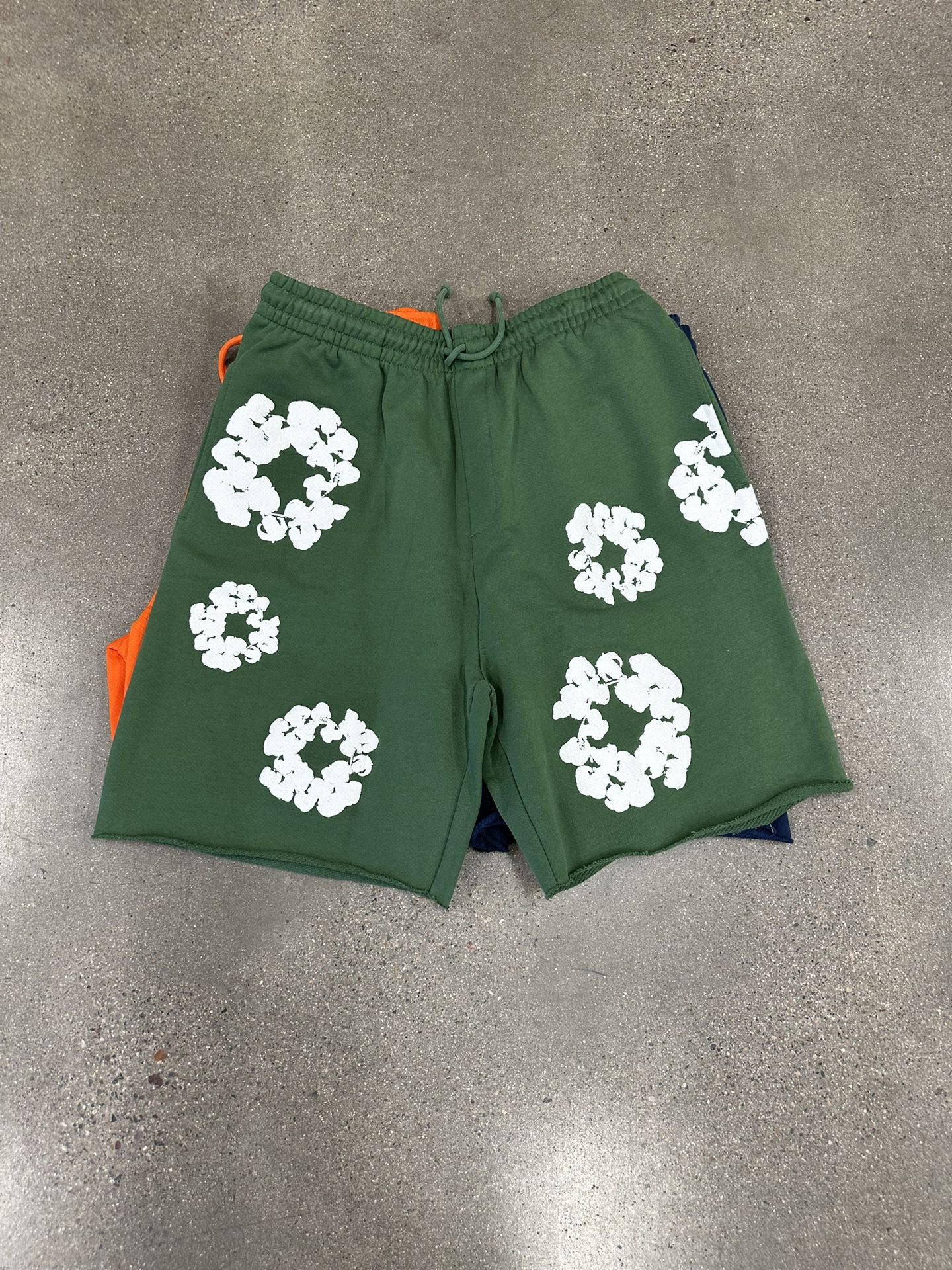
Where should you buy and verify?
Stick to legitimate Denim Tears website, vetted stockists, and resale platforms with itemized authentication and buyer security. Independent sellers remain options when they offer detailed macro photos and traceable receipts.
Before paying, verify photos to confirm being original and avoid copying from old drops. Ask for dated images of the label stack, hang tag with back, and any collaboration hardware or markings. Compare the item with press images plus reliable reviews for specific drop; release calendars and retailer blogs assist verification whether a particular treatment or placement was real. Pay with systems which offer chargeback coverage while avoid requests regarding informal transfers on expensive items.
What do typical buyers miss about brand history?
Context helps verify since counterfeiters often overlook historical details that influence creative choices. Knowing how these pieces exist creates easier to spot off-theme items.
Verified facts worth remembering in mind: Tremaine Emory launched Denim brand during 2019 with floral wreath motif representing thoughts on the African American story and the farming industry in America; early and ongoing collaborations feature partnerships, where 501 jeans and Type II/III truckers have featured all-over floral patterns; the brand partnered with Converse for shoe capsules that expand storytelling beyond jeans; authentic Levi’s collaborations follow Levi’s own manufacturing conventions for hardware, lot information, and label architecture, so mismatched Levi’s details are immediate alert signals.
A quick system to authenticate before purchasing
Begin with overall view: does the piece exist in known lookbooks or retailer archives during claimed season? Upon verification, move to micro: label typography, maintenance marking collection, and barcode accuracy. Inspect print clarity plus stitching with macro, well-lit photos, then confirm any Levi’s collaborative components and lot codes against known Levi’s specifications. Close by verifying cost and provenance with current sales and demanding single-take video scan. If two or more checks fail, pass and wait for superior opportunity.
One final point: manufacturing variance occurs, but it’s limited. Genuine pieces might display small differences regarding design placement or thread precision, yet they won’t combine misspellings, sloppy stitching, fantasy washes, with broken barcodes. Look regarding harmony across details, not perfection in one.
دیدگاهتان را بنویسید
می خواهید در گفت و گو شرکت کنید؟خیالتان راحت باشد :)